Practical Teaching Strategies That Help Pupils Learn Better
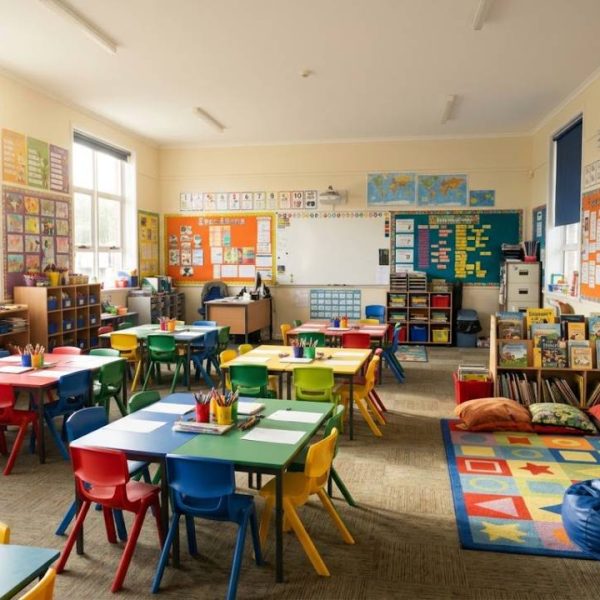
Great teaching is built from small, repeatable choices rather than grand gestures. Teachers and school leaders across the world look for methods that are practical, evidence informed and kind to pupils. This article shares strategies that work in everyday classrooms.
Begin With Clear Learning Goals
Tell pupils what they are learning and why it matters. When the target is visible, effort has a direction. Short, plain goals written on the board also help teachers check understanding at the end.
Build Strong Routines
Predictable starts, transitions and finishes save lesson time and reduce anxiety. Pupils who know what happens next can concentrate on thinking instead of guessing what is expected of them.
Use Questions to Check Understanding
Ask open questions and give pupils time to think. Cold calling, mini whiteboards and thumbs signals reveal who needs help while the lesson is still in progress, not after the test.
Explain Ideas Step by Step
Break complex topics into small stages with worked examples. Gradually remove support as confidence grows. This approach prevents overload and helps pupils build secure knowledge they can use later.
Revisit Prior Learning
Start lessons with a short recap of earlier topics. Spaced retrieval strengthens memory far more than rereading. Quick quizzes, even three questions long, keep knowledge fresh across a term.
Give Useful Feedback
Feedback works when pupils know what to do next. Focus on one or two specific improvements and allow time to act on them. Comments about effort alone rarely change future work.
Encourage Talk in the Classroom
Structured discussion lets pupils rehearse ideas aloud. Pairs and small groups are less intimidating than whole class talk. Model sentence starters to help quieter pupils join in.
Support Reading Across Subjects
Vocabulary and comprehension affect every lesson. Teach key words explicitly, read short texts together and ask pupils to summarise. Strong readers access the entire curriculum more successfully.
Make Use of Visuals
Diagrams, timelines and concept maps help pupils see connections. Keep slides simple and talk through each image. Visuals reduce the load on memory and support pupils who are learning a new language.
Adapt for Different Needs
Pupils arrive with varied strengths and challenges. Offer scaffolds such as word banks, sentence frames and extra time, and keep expectations high. Access should never mean lowering the goal.
Welcome Families From Many Languages
Many schools serve families who speak other languages at home. Clear notices and reports matter, and accurate english to czech translation helps Czech speaking parents take part confidently in school life.
Plan Costs Before Translating Paperwork
Schools often need certificates and transcripts translated for new arrivals. Understanding document translation costs in advance helps administrators budget and choose services that suit tight school finances.
Use Evidence to Guide Choices
Not every popular idea improves results. The Education Endowment Foundation summarises research on teaching approaches and shows which methods offer strong value for pupils.
Create a Calm Learning Environment
Tidy rooms, quiet signals and respectful language set the tone. Pupils learn best when they feel safe and valued. Small gestures such as greeting each pupil at the door make a real difference.
Build Positive Relationships
Learn names quickly, show interest in pupils lives and keep promises. Trust takes time but transforms behaviour. Pupils work harder for adults who they believe care about them.
Teach Study Skills Explicitly
Show pupils how to plan, revise and test themselves. Many assume they should simply reread notes. Practice with flashcards, summaries and planning calendars equips them for later years.
Use Technology Thoughtfully
Digital tools can support practice, feedback and access, but they work best with clear purposes. Choose a few reliable tools and train pupils to use them well instead of adding new apps constantly.
Plan Lessons Collaboratively
Sharing resources and ideas with colleagues saves time and improves quality. Short planning meetings, peer observation and joint marking help teams learn from one another.
Keep Parents Informed
Regular, positive messages build partnership. Share successes as well as concerns, and give practical ways to help at home, such as reading together for ten minutes each evening.
Prioritise Teacher Wellbeing
Rested, supported teachers teach better. Sensible workloads, shared planning and a culture that values breaks protect energy and keep experienced staff in the profession.
Celebrate Progress
Recognise improvement as well as achievement. A pupil who moves from a struggle to a steady result deserves to hear it. Celebration builds belief that effort leads to growth.
Reflect and Adjust
At the end of each week, note what worked and what did not. Small adjustments, repeated across a year, produce large gains. Good teachers stay curious about their own practice.
Use Time Wisely
Plan lessons so the most important content gets the freshest attention. Short, focused tasks with clear timings keep energy high and prevent the final minutes from being wasted.
Stay Patient With Progress
Learning does not follow a straight line. Some weeks feel slow, then understanding arrives suddenly. Patient encouragement helps pupils keep trying through difficult stages.
Final Thoughts
Effective teaching blends clarity, care and evidence. Choose one strategy from this list to try next week, watch how pupils respond and refine it. Steady improvement helps every learner move forward with confidence.