Getting Your Teaching Qualification Recognised Abroad
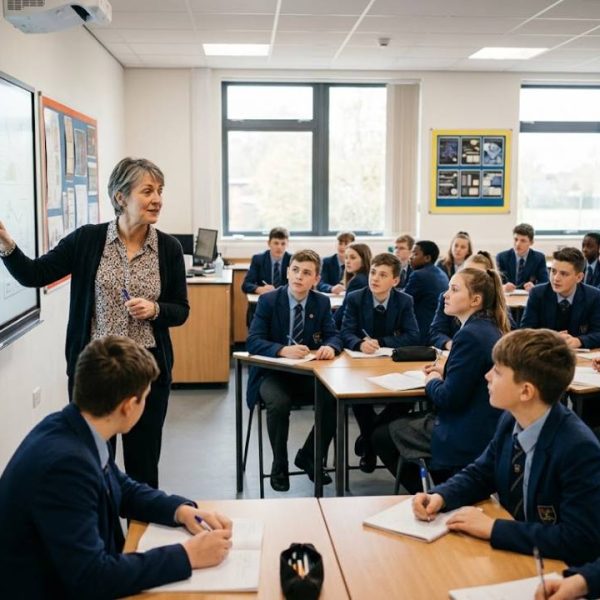
Schools across England, Scotland and Wales are short of teachers, especially in maths, physics, computing and modern languages. At the same time, thousands of qualified teachers trained in Europe, Africa, Asia and the Americas would happily fill those roles. The bridge between the two is qualification recognition, and it is often slower and more confusing than it needs to be.
Whether you are a German physics teacher heading to Manchester or a British primary teacher moving to Lyon, the logic is similar. Your training, your experience and your documents all need to be understood by someone who has never seen your education system.
How recognition works in England
In England, the key credential is Qualified Teacher Status (QTS). Since 2023, teachers trained in many countries outside the UK can apply for QTS directly through the government's "apply for qualified teacher status" service, without retraining, as long as their qualification meets certain criteria. Applications are handled by the Teaching Regulation Agency.
Applicants typically need to show:
- a recognised teaching qualification, equivalent to a UK bachelor's degree or above;
- evidence that they are qualified to teach in the country where they trained;
- relevant teaching experience;
- English language proficiency, where required.
Scotland, Wales and Northern Ireland have their own teaching councils and processes, so check the rules for the nation you plan to work in.
The document challenge
Recognition bodies make their decisions based on paperwork. That usually means degree certificates, transcripts listing every module, teaching practice records, a letter from the education authority confirming your licence, and sometimes references from former schools.
If these are not in English, you will need translations. This is where many applications stall. A translation that leaves out a module list, mistranslates a grade or misses an official stamp can lead to requests for more information and weeks of delay.
Recognition bodies decide on the strength of paperwork, so accuracy is everything. Professional document translation services ensure that degree certificates, transcripts and teaching licences are rendered precisely, with grades, titles and institutional names that assessors can verify. A single mistranslated module title can trigger weeks of back-and-forth. Teachers who get this step right usually move through the process far faster.
Teachers trained in Germany
German teacher training is long and structured, with a university degree followed by the Referendariat, a practical training period ending in the Second State Examination. These stages do not have exact English equivalents. Using specialist german to english translation services helps make sure terms like Staatsexamen, Lehramt and Vorbereitungsdienst are rendered clearly and consistently, so assessors understand the depth of your training.
Teachers trained in France and francophone countries
Teachers from France often hold a master's degree in teaching (MEEF) and have passed a competitive national exam such as the CAPES or the CRPE. Teachers from Belgium, Switzerland, Morocco or Cameroon follow different routes again. French document translation services that know these systems can explain them in footnotes, which saves assessors from guessing.
Teachers trained in Ukraine
Since 2022, many Ukrainian teachers have resettled in the UK and want to return to the classroom. Their diplomas and records are often in Ukrainian, sometimes with older Soviet-era formats. A careful translation english to ukrainian and back again can also help with the reverse process: explaining British school paperwork, safeguarding training certificates and job offers to Ukrainian teachers who are still building their English.
Moving the other way
British teachers moving abroad face similar hurdles in reverse. France, Germany, Spain and other EU countries each have their own recognition procedures for teachers trained outside the EU. Since Brexit, UK qualifications no longer benefit from automatic EU recognition rules, which has made the process longer for many.
International schools are often more flexible and may hire teachers with QTS or a PGCE directly. State schools usually require full recognition, and sometimes additional language exams.
Classroom skills still matter most
Recognition opens the door, but it does not guarantee success in a new system. Teachers moving countries often need to adapt to different curricula, assessment styles and classroom cultures. In England, for example, there is a strong emphasis on behaviour management, data tracking and safeguarding procedures that may be new to teachers trained elsewhere.
The teachers who settle fastest are usually those who observe lessons, ask questions and treat the first term as a learning period. Many schools offer induction support, mentoring and video libraries of classroom practice to help.
Practical tips before you apply
- Gather all certificates and transcripts early, including teaching practice records.
- Request a letter from your education ministry or regional authority confirming your status.
- Arrange certified translations of every non-English document in one batch.
- Keep your name spelled identically across all documents and translations.
- Check whether you also need an English test such as IELTS.
- Prepare references from head teachers who can describe your classroom practice.
Continuing professional development
Once you are teaching, ongoing training helps you grow in the new system. Many teachers take short courses on the local curriculum, special educational needs or teaching English as an additional language. Some pursue further certification, such as National Professional Qualifications in England, which can support a move into leadership.
A global profession
Teaching has always crossed borders, and today's shortages make experienced teachers from abroad more welcome than ever. The process can feel bureaucratic, but each step is manageable with good preparation. Clear documents, accurate translations and patience turn a qualification earned in one country into a career in another.